
Stop Letting Good Garage Door Calls Disappear After The Phone Rings
An urgent spring repair call goes unanswered, or a repair customer never gets replacement follow-up. Revenue Commander helps your team catch calls and forms, text missed callers back, ask for reviews, and see whether the good inquiries were answered, booked, or followed up.
Get a Market Report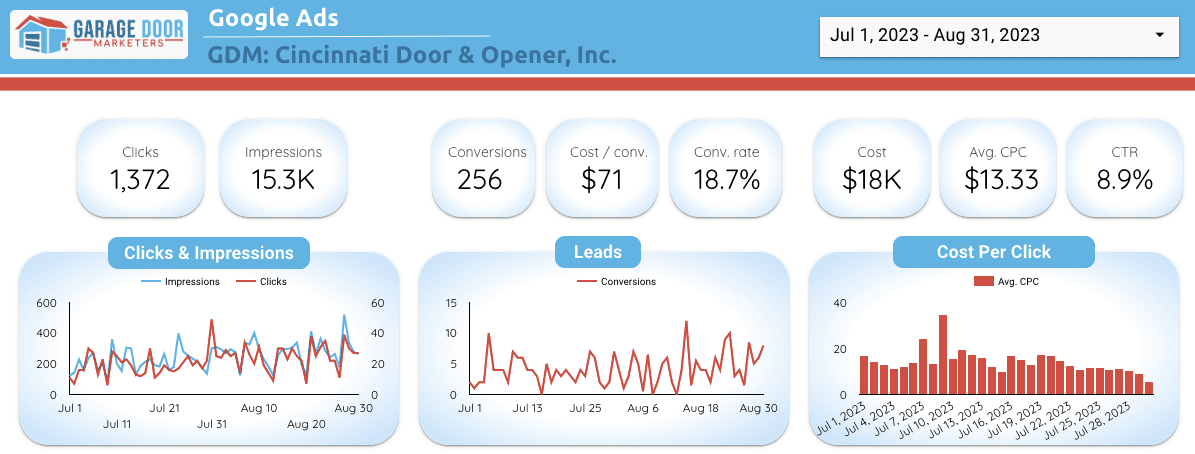
Cincinnati Door & Opener
Why this matters
You already feel the problem when a good lead disappears
A buyer calls, nobody answers fast enough, the form lands in the wrong inbox, or the estimate request gets talked about once and never followed up. Then the next marketing report says leads are up. That is not enough. Revenue Commander exists so garage door companies can see which inquiries turned into real work and which ones got lost.
Who this is for
The expensive part is usually what happens after the inquiry comes in
A lead report can say things are up while real calls sit unanswered, forms land in the wrong inbox, or good estimates never get a second touch.
Not a fit when
- Calls and forms scattered across phones, inboxes, texts, and spreadsheets
- Missed calls treated like normal phone events
- Ads judged on clicks or form fills alone
- Reviews, reminders, and follow-up handled only when someone remembers
Strong fit when
- One place to see which calls and forms came in, what service they asked for, and whether anyone followed up
- Missed-call recovery and follow-up status visible to the team
- Marketing decisions tied to calls, job type, service area, and booked-work notes
- Basic follow-up and review requests tied to the same calls and forms
How this works
How this works: make every inquiry easier to follow
Revenue Commander does not make every inquiry good. It makes the important details visible enough to know what to fix.
01
Catch the inquiry
Calls, forms, texts, and missed-call events are collected in one place.
02
Classify what happened
Source, service type, answered status, booked status, and follow-up state become visible.
03
Act on the miss
The next move becomes clearer: fix answer speed, follow-up, page fit, review asks, or wrong-fit calls.
04
Catch the inquiry
Calls, forms, texts, and conversations are collected so they are not scattered across the office.
05
Recover Missed Leads
Missed-call text-back and follow-up prompts help keep good inquiries from disappearing.
What you get
What you actually get
This is not a mystery CRM pitch. It is the follow-up setup we use to make marketing accountable to what actually happened.
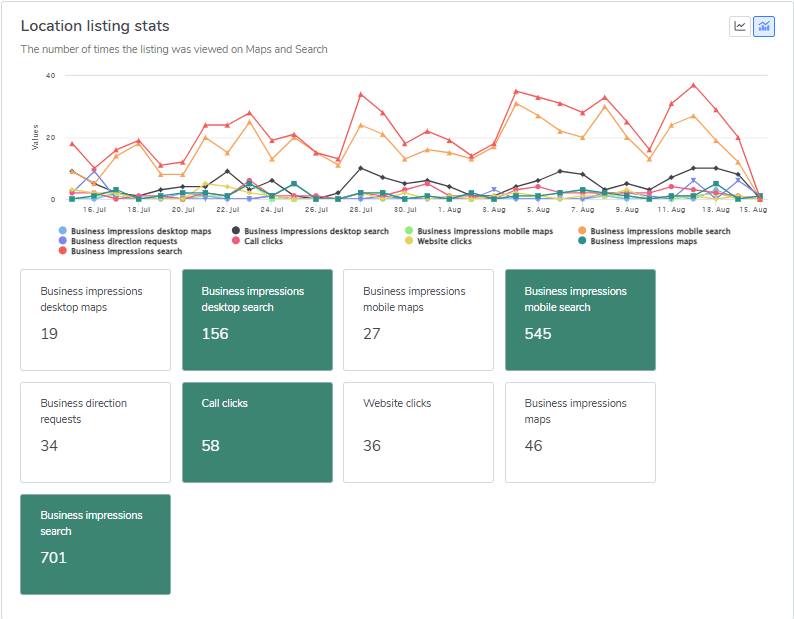
Mohave Garage Doors
Boundary
When this is not first
If there are no calls, no forms, and no real search demand yet, the first move may be Google demand or a clearer website. Revenue Commander matters most when there is activity to review.
Related work
This works best when the nearby pages, calls, reviews, and follow-up are clean enough to support it.
Frequently Asked Questions
Practical questions before this belongs in the plan
How do we know garage door calls became booked jobs?+
Revenue Commander is meant to show what happened after the phone rang: whether the spring repair, opener issue, stuck door, or replacement question was answered, booked, missed, or left without follow-up. The point is not to celebrate every call. It is to see which calls became real appointments, which ones were invalid or wrong-area, and where a missed call or slow callback let the next garage door company win the job.
Across 80+ garage door clients, the same pattern keeps showing up. Answer speed, review strength, Maps position, LSA fit, booked-call rate, and replacement follow-up decide whether call volume turns into work. The review looks at missed spring calls, after-hours messages, replacement follow-up, invalid LSA calls, and booked repair status. Then we decide whether more spend, more pages, or a follow-up fix should come first.
If the phone is not ringing at all, this is not the first fix. Start with Maps, LSA, Google Ads, reviews, or pages so there are real calls to review.
Are these shared leads from Yelp, Angi, Thumbtack, or another lead seller?+
No. The goal is not to resell the same inquiry to multiple contractors. The work is built around your own calls, pages, reviews, service areas, and follow-up.
Bad-fit examples include parts-only callers, wrong-area calls, warranty confusion, price-only shoppers, invalid LSA calls, and unbooked repair calls. Those can make a lead report look busy while the owner feels the crew or office wasting time.
Shared-lead sites and local search competitors are part of the market, but they should not become the plan. The plan should make it clearer which calls are yours, which jobs fit, and what needs follow-up.
Can this help with replacement or commercial door work, not just repair calls?+
It can support the jobs you want: spring repairs, off-track doors, opener installs, replacement doors, commercial doors, planned maintenance, and repair calls that deserve replacement follow-up. Marketing still cannot force a job mix the market, reviews, photos, capacity, or follow-up cannot support.
The first question is whether the right buyers can see that you handle the work, trust the examples, and reach someone who knows what to do next.
For Garage Door Marketers, that means reviewing zip codes, truck coverage, after-hours capacity, review strength, and whether the job can be booked profitably. It also means checking the pages buyers land on, the calls that came in, and the follow-up after the first conversation. If the basics are missing, we say that before pretending one service will magically create better jobs.
How do you decide whether a lead is actually good?+
A good lead is not just someone who filled out a form. For a garage door company, it has to fit the service, area, timing, budget, and capacity of the company.
We look for the difference between wanted work and bad-fit inquiries. Wanted work includes spring repairs, off-track doors, opener installs, replacement doors, commercial doors, planned maintenance, and repair calls that deserve replacement follow-up. Bad-fit examples include parts-only callers, wrong-area calls, warranty confusion, price-only shoppers, invalid LSA calls, and unbooked repair calls.
Then we look at what happened after the inquiry came in. Was it answered, booked, estimated, followed up, or lost?
This is where many agencies stop too early. They count the form or phone event. Owners care about whether the call or estimate had a real chance to become work.
What budget do we need, and how fast can this help?+
Budget depends on truck capacity, market competition, LSA availability, repair/replacement mix, answer speed, and how much follow-up already happens after the first call. There is no honest answer without looking at the market, current calls, pages, reviews, and follow-up.
A company with strong reviews, clear pages, good answer speed, and a tight service area can often use budget better. Weak photos, thin reviews, and missed calls make the same spend less useful.
Speed also depends on the service. Paid search can move faster than SEO. Reviews and local trust compound more slowly. Follow-up fixes can help quickly if good calls are already being missed. The market report is meant to separate those cases before money is committed.
What if our office misses calls or follow-up is inconsistent?+
Then that has to be treated as part of the marketing problem. A spring repair call comes in while a technician is on a job, nobody answers fast enough, and the homeowner books whoever looks safest in Maps.
More demand will not fix that by itself. It may just make the miss more expensive.
The plan should show where calls, forms, texts, booked status, estimate status, reviews, and follow-up are getting lost. Sometimes the first win is not a new ad. It is making sure the best current inquiries get answered, marked correctly, and followed up while the buyer still cares.
What if we already have a general marketing vendor, a lead seller, Yelp, Angi, an LSA-only setup, or an old website vendor?+
That does not automatically mean you need to start over. The better question is what is working, what is unproven, and what the owner still cannot see.
We look at the current pages, ads, Maps presence, reviews, calls, forms, and follow-up before recommending a replacement.
If the existing setup is producing the right work and the reporting is clear, we should not disturb it.
Bad-fit examples include parts-only callers, wrong-area calls, warranty confusion, price-only shoppers, invalid LSA calls, and unbooked repair calls. If those are hidden next to missed calls, weak reviews, thin job examples, or quiet follow-up, the fix should be specific instead of another broad vendor swap.
When should a garage door company fix something else first?+
If the phone is not ringing at all, this is not the first fix. Start with Maps, LSA, Google Ads, reviews, or pages so there are real calls to review.
This also may not be right if the owner wants guaranteed volume regardless of budget, market, reviews, capacity, or answer speed.
Garage Door Marketers is a better fit when the owner wants a clear read on broken spring calls, stuck-door calls, opener questions, replacement estimates, LSA calls, and after-hours messages. The goal is to find the jobs worth chasing and the places where follow-up, reviews, or job examples are costing money.
If the company is not ready to answer calls, review job fit, provide job photos or reviews, or fix obvious sales-process problems, the work will have a lower ceiling.
Find the garage door calls getting missed
We will look at where inquiries arrive, which ones are worth chasing, where they stall, and what should be fixed before more budget goes into ads.
Get a Market Report